
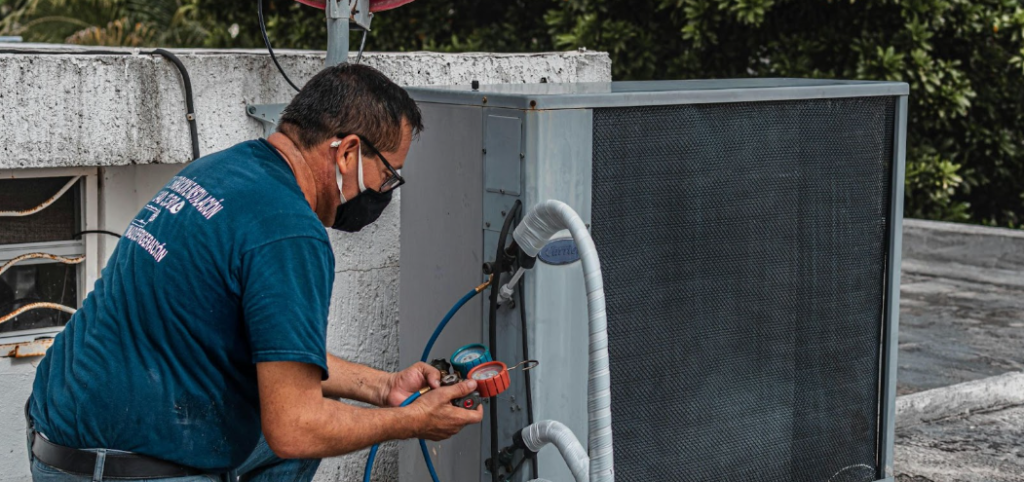
When someone calls an HVAC company, it’s almost always because something is urgent. A furnace isn’t heating, an AC system just died, a leak is getting worse, or a property owner needs fast help before conditions get uncomfortable. In this industry, every inbound call could be a booked job and every missed call could be business lost to a competitor.
Unlike other industries, HVAC customers don’t wait. If no one answers, they immediately call the next provider. This is why HVAC missed calls directly impact revenue and why the communication system supporting your team matters just as much as the work in the field.
But even the best HVAC companies miss calls because of the nature of field work. Techs are on the road, in attics, on roofs, handling equipment, or juggling multiple appointments. Dispatchers are coordinating schedules, following up with past customers, or trying to keep several techs moving efficiently. With so much happening at once, gaps in communication are common unless the tools behind the scenes are built around the way HVAC teams actually operate.
This is where better call management becomes mission-critical.
Why Phone Calls Matter More in HVAC Than Almost Any Other Industry

HVAC businesses don’t deal with casual inquiries. They deal with urgent, high-stakes requests where customers need help right now. That urgency shapes everything:
The company who answers first gets the job.
Most customers will call the next HVAC provider within minutes if they don’t reach someone quickly.
Missed calls directly equal lost revenue.
Especially during heat waves or cold snaps when demand spikes.
Seasonality magnifies call volume.
Phone lines get flooded during temperature extremes — and responsiveness determines who captures the surge.
Customers want reassurance.
They expect a real voice, fast updates, and clear communication.
Techs need quick direction.
Dispatch and field teams coordinate constantly, often while moving between jobs.
When the phone system can’t keep up, neither can the business.
How HVAC Workflows Create Unique Communication Challenges
Unlike industries where teams sit in an office all day, HVAC communication happens while people are constantly in motion. This creates several points where calls can slip through the cracks:
Technicians are often in the field or on a roof.
On roofs, in attics, or in crawl spaces, techs often miss HVAC customer calls unless they’re routed properly.
Dispatchers juggle dozens of moving pieces.
If they miss a call while coordinating schedules, that lead may disappear.
After-hours emergencies require fast routing.
Customers expect immediate help, not voicemail.
Multiple phone numbers are used for different needs.
Emergency lines, service lines, marketing campaign numbers, and job-specific lines quickly get hard to track.
Follow-up communication can get fragmented.
Techs may text customers from personal numbers, making it harder to keep records aligned.
All of this makes HVAC one of the most communication-dependent industries, and one of the hardest to keep organized without the right system.
How WizCaller Supports Real-World HVAC Operations
WizCaller was built with flexible, everyday HVAC workflows in mind. Instead of trying to behave like a call center platform or a complex marketing tool, it gives HVAC teams a clear, reliable way to handle calls, messages, routing, and team coordination in one place.
Here’s how HVAC companies use it:
1. Never miss a critical customer call
WizCaller helps HVAC teams stay responsive by showing exactly when calls come in and who handled them. If a call is missed, the team can see it instantly and follow up before the customer moves on. Simple logs and alerts keep HVAC missed calls from turning into lost jobs.
2. Route calls to the right person at the right time
Whether it’s an installation line, service line, or 24/7 emergency number, WizCaller uses rules and schedules to direct calls to the right person. On-call tech? Route directly to them. Busy office? Send calls to backup numbers.
A flexible call routing service ensures customers always reach someone who can help.
3. Keep all call and message history in one place
Instead of scattered voicemail boxes, personal phones, or untracked messages, everything lives in a single dashboard. This gives HVAC teams clarity about customer issues, timelines, and past conversations.
4. Empower teams working in the field
Technicians can view call activity, handle messages, and stay connected from wherever they’re working in a truck, attic, basement, or rooftop unit.
5. Stay organized across multiple numbers
Many HVAC companies run several service areas. WizCaller makes these easy to view, manage, and track without burying them in complex menus.
6. Affordable pricing built for HVAC businesses
WizCaller keeps pricing straightforward for small business teams:
• Premium Plan: $15/month — unlimited users, full features
• Free Plan: 50 calls + 50 messages per month
No per-seat fees. No inflated costs. No “AI packages” you don’t need. For seasonal or rotating teams, this cost structure is a major advantage.
Want to Stay More Responsive This HVAC Season?
If your HVAC team has ever lost a job because a call slipped through, or if your current phone setup feels disorganized, WizCaller can help you stay fast, coordinated, and connected.
Try the WizCaller Demo or explore the Free and Premium plans to see how simple your communication can be when your tools finally match the way HVAC teams work.